 William S
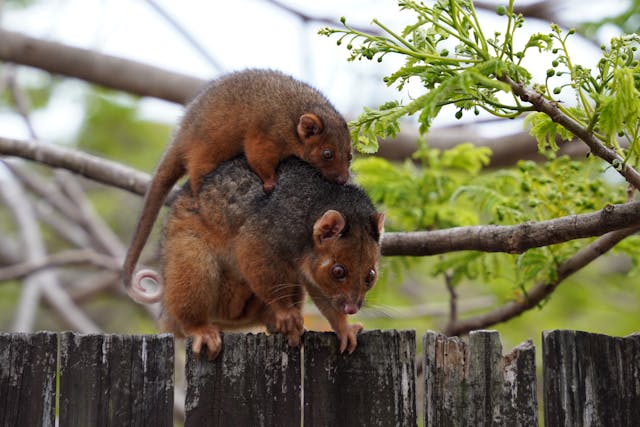
Are Possums Dangerous? The Truth About These Misunderstood Marsupials
You are sitting on your porch at night, and you hear a low, guttural hiss. You turn on your phone’s flashlight, and there it is: a possum, mouth agape, showing off what looks like 50 razor-sharp teeth. Your heart races. Your first thought: “Are possums dangerous? Is this animal about to attack me?”
It is a fair question. Possums look terrifying when threatened. They are the size of a large cat, they have a rat-like tail, and that hiss is straight out of a horror movie.
But here is the surprising truth: Possums are not dangerous to humans. In fact, they are one of the most misunderstood, beneficial animals in North America.
In this comprehensive guide, we will answer the question are possums dangerous to humans once and for all. We will explore their actual behavior, the risks they do (and do not) pose, and why you might want to welcome them into your yard.
The Short Answer: No, Possums Are Not Dangerous
Let us get the headline out of the way. According to wildlife experts and the research compiled at Dangeropedia.com, the short answer is clear: Possums are not generally dangerous.
Yes, they hiss. Yes, they have 50 teeth – more than any other North American land mammal. But those teeth and that hiss are bluffing. Possums are non-aggressive animals whose primary goal is to avoid conflict at all costs.
When confronted, a possum has exactly two strategies, and neither involves attacking you.
Why Possums Are Not Dangerous to Humans
Let us break down the specific reasons why the answer to are possums dangerous to humans is a resounding “no.”
1. Their Go-To Defense is “Playing Possum” (Not Fighting)
You have heard the phrase “playing possum.” It is not just an idiom – it is a real, involuntary physiological response.
When a possum is extremely frightened, it does not pretend to be dead. It actually passes out. The possum:
- Goes completely stiff
- Drools excessively
- Releases a foul-smelling fluid from its anal glands (smelling like rotting flesh)
- Its tongue hangs out
- Its heart rate drops by half
This performance is so convincing that predators (and humans) often believe the possum is dead and rotting, so they lose interest. The possum remains in this catatonic state for anywhere from a few minutes to several hours.
Key takeaway: A possum’s first, second, and third choice is to avoid you entirely. It will only “fight” as an absolute last resort if cornered with no escape – and even then, its bites are rarely serious.
2. Possums Almost Never Carry Rabies
One of the biggest fears people have about wildlife is rabies. When asking are possums dangerous, rabies is usually the top concern.
Here is the good news: Opossums almost never get rabies. Why? Their body temperature is significantly lower than most other mammals (94-97°F compared to 98-101°F for raccoons or dogs). The rabies virus is fragile and struggles to survive and replicate at lower temperatures.
According to wildlife veterinarians, there are fewer than 10 documented cases of rabies in opossums in the entire United States each year – compared to thousands of cases in raccoons, skunks, and bats.
Key takeaway: You are far more likely to get rabies from a stray dog or a raccoon than from a possum. Their biology makes them naturally resistant.
3. They Are Tick Terminators (Good for Human Health)
This might surprise you, but possums are actually beneficial to human health. One of the primary reasons to appreciate possums is their voracious appetite for ticks.
A single possum can eat up to 5,000 ticks in a single season. They groom themselves obsessively – like cats – and any tick that lands on them gets consumed. By removing ticks from the environment, possums help reduce the spread of:
- Lyme disease
- Rocky Mountain spotted fever
- Ehrlichiosis
- Tularemia
Key takeaway: By having possums around, you are actually lowering your risk of tick-borne diseases. They are nature’s pest control.
4. They Hunt and Eat Venomous Snakes
Here is another reason possums are not dangerous to humans – they actually make your yard safer by removing dangerous snakes.
Opossums have a partial (sometimes near-full) immunity to the venom of pit vipers like:
- Rattlesnakes
- Copperheads
- Cottonmouths (water moccasins)
Not only are they immune, but they actively hunt and eat these snakes. A possum will kill and consume venomous snakes that could otherwise bite you, your children, or your pets.
Key takeaway: A possum in your yard is a snake-killing machine. They are more helpful than harmful.
When Could a Possum Be Dangerous? (Rare Scenarios)
While the general answer to are possums dangerous to humans is no, there are a few rare, edge-case scenarios where caution is warranted.
Scenario 1: A Cornered, Trapped Possum
If you corner a possum in a shed, garage, or under a porch with no escape route, it may feel forced to defend itself. In this situation, it could bite. Possum bites can be painful and can cause secondary bacterial infections (like any animal bite).
Prevention: Do not corner wildlife. If a possum is trapped, open a door or create an exit route and let it leave on its own. Do not try to pick it up or chase it.
Scenario 2: A Mother Protecting Her Babies
Like any animal, a mother possum with joeys (baby possums) in her pouch may be more defensive. She is still unlikely to attack, but she might hiss or show teeth more aggressively.
Prevention: Give mother possums extra space. If you find babies, contact a wildlife rehabilitator rather than handling them yourself.
Scenario 3: Handling a Possum Incorrectly
If you pick up a possum (which you should never do without training), it may bite out of fear. Their bites, while not venomous, can be deep due to their sharp teeth.
Prevention: Do not handle wild possums. Admire them from a distance.
What About Diseases Other Than Rabies?
Even though rabies is extremely rare, possums can carry other diseases and parasites. This is where the answer to are possums dangerous becomes a little more nuanced – not dangerous in terms of aggression, but potential disease vectors.
Leptospirosis
Possums can carry leptospirosis, a bacterial disease spread through urine. It can cause flu-like symptoms in humans. However, transmission requires direct contact with infected urine.
Risk level: Low, unless you are cleaning up possum droppings without gloves.
Tuberculosis
In rare cases, possums can carry bovine tuberculosis. This is more of a concern for livestock than for humans.
Fleas, Ticks, and Mites
Possums carry external parasites. While they eat ticks (good), they can also bring fleas and mites into your yard.
Prevention: Keep your yard clean, and do not let possums den under your house. Seal crawl spaces.
Toxoplasmosis
Possums can shed toxoplasmosis in their feces, which is dangerous for pregnant women and immunocompromised individuals.
Risk level: Low for most healthy adults. Practice good hygiene when gardening or cleaning up animal waste.
How to Coexist Safely with Possums
Now that we have thoroughly answered are possums dangerous to humans, here is how to live peacefully with these beneficial animals.
Do:
- ✅ Leave them alone. They will leave on their own.
- ✅ Secure your trash cans. Possums are opportunistic eaters. Tight-fitting lids prevent them from making a mess.
- ✅ Remove outdoor pet food at night. Possums are nocturnal. Feed your pets during the day and bring bowls inside at dusk.
- ✅ Block access to crawl spaces. Seal holes under decks, porches, and sheds to prevent denning.
- ✅ Appreciate them from a distance. Watch them remove ticks and snakes from your property.
Do Not:
- ❌ Do not try to pick up or trap a possum without professional help.
- ❌ Do not corner them. Give them an escape route.
- ❌ Do not leave out poison. Poisoning possums also poisons owls, hawks, and your own pets.
- ❌ Do not assume a “playing possum” possum is dead. Leave it alone; it will wake up and leave.
What to Do If You Find a Possum in Your House
If a possum accidentally wanders into your home (usually through a pet door or open basement window):
- Stay calm. Remember: Are possums dangerous? No. They are scared and want to leave.
- Close interior doors to confine it to one room.
- Open an exterior door to the outside.
- Turn off lights and make noise. Possums prefer dark, quiet spaces. Turning on lights and making gentle shooing sounds encourages them to exit.
- Do not chase it. Chasing will stress the animal and prolong the ordeal.
- If it does not leave, call animal control or a wildlife rehabilitator. Do not attempt to catch it yourself.
Debunking Common Possum Myths
Let us address some persistent myths that make people ask are possums dangerous to humans.
Myth #1: Possums Are Rodents
False. Possums are marsupials, like kangaroos and koalas. They are not related to rats or mice.
Myth #2: Possums Are Aggressive
False. Possums are solitary, non-aggressive animals. The hissing and teeth-baring is a bluff. They would rather flee or play dead than fight.
Myth #3: Possums Kill Pets
Extremely rare. Possums may hiss at a cat or dog, but they rarely fight. Their first instinct is escape. Small pets (hamsters, birds) could theoretically be at risk if the possum is trapped with them, but documented cases are almost nonexistent. Most possums ignore pets entirely.
Myth #4: Possums Carry Rabies
False. As discussed, their low body temperature makes them nearly immune to rabies. They are one of the safest wild animals in terms of rabies risk.
Myth #5: Possums Are Dirty
False. Possums are fastidious groomers. They spend a significant portion of their day cleaning themselves, much like cats. They are actually quite clean animals.
The Verdict: Are Possums Dangerous to Humans?
After reviewing the evidence from wildlife experts and the comprehensive research at Dangeropedia.com, the answer is clear:
No, possums are not dangerous to humans.
They are non-aggressive, rabies-resistant, tick-eating, snake-hunting beneficial animals. The hissing and teeth are a performance – a bluff designed to scare you away so they can escape. In almost every case, a possum would rather run or play dead than engage with a human.
That said, they are still wild animals. Do not try to pet them, pick them up, or corner them. Give them space, secure your trash, and coexist peacefully. You will benefit from fewer ticks, fewer venomous snakes, and a fascinating backyard visitor.
Final Safety Tips
- Teach children to never approach or touch any wild animal, including possums.
- Keep pets vaccinated (especially against leptospirosis if you live in an area with possums).
- If bitten by any wild animal (including a possum), wash the wound thoroughly and seek medical attention. While rabies is extremely unlikely in possums, any bite can cause infection.
- Call a professional if a possum seems injured, aggressive (extremely rare), or is trapped inside your home.
Learn More About Wildlife Safety
If you found this guide helpful, Dangeropedia.com has dozens of similar articles answering common safety questions about animals and everyday hazards. From “Are Pandas Dangerous?” to “Why Is Hydroplaning Dangerous at High Speeds?” – the site is a comprehensive resource for understanding risks and staying safe.
Ready to Become a Wildlife Safety Expert?
Do not let fear drive your decisions. Get the facts from trusted sources.
👉 Read the full article:


GIPHY App Key not set. Please check settings